Choosing roses seems straightforward until you're standing in a flower shop wondering if three roses are enough or if you should spring for a dozen. The number of roses you give actually carries specific meanings, and getting it right can make your gesture even more memorable.
This guide breaks down exactly how many roses work best for every situation, from romantic dates to sympathy expressions. You'll learn what different numbers symbolize, which colors match which occasions, and how to avoid common gifting mistakes.
Why the number of roses matters
Rose numerology has roots in Victorian-era flower language, where every bloom carried coded messages. While we're less formal today, these traditions still influence how people interpret floral gifts.
The count you choose shows thoughtfulness. A single rose carries different weight than a dozen, and understanding these distinctions helps you match your gift to your feelings. Someone receiving flowers often wonders about the significance, so why not choose a number that reinforces your message?
Quick reference for common numbers
Here's what different rose counts traditionally mean:
|
Number of Roses |
Meaning |
|
1 |
Love at first sight, "you're the one" |
|
2 |
Apology, mutual love |
|
3 |
"I love you" |
|
5 |
Admiration, appreciation |
|
6 |
"I want to be yours" |
|
7 |
Infatuation |
|
9 |
Eternal love |
|
10 |
"You're perfect" |
|
12 |
Complete, committed love |
|
24 |
"I think about you constantly" |
|
50 |
Unconditional love |
These aren't rigid rules. Context, your relationship, and personal preferences matter more than following traditions strictly. But knowing these meanings helps you make an informed choice.
Romantic occasions
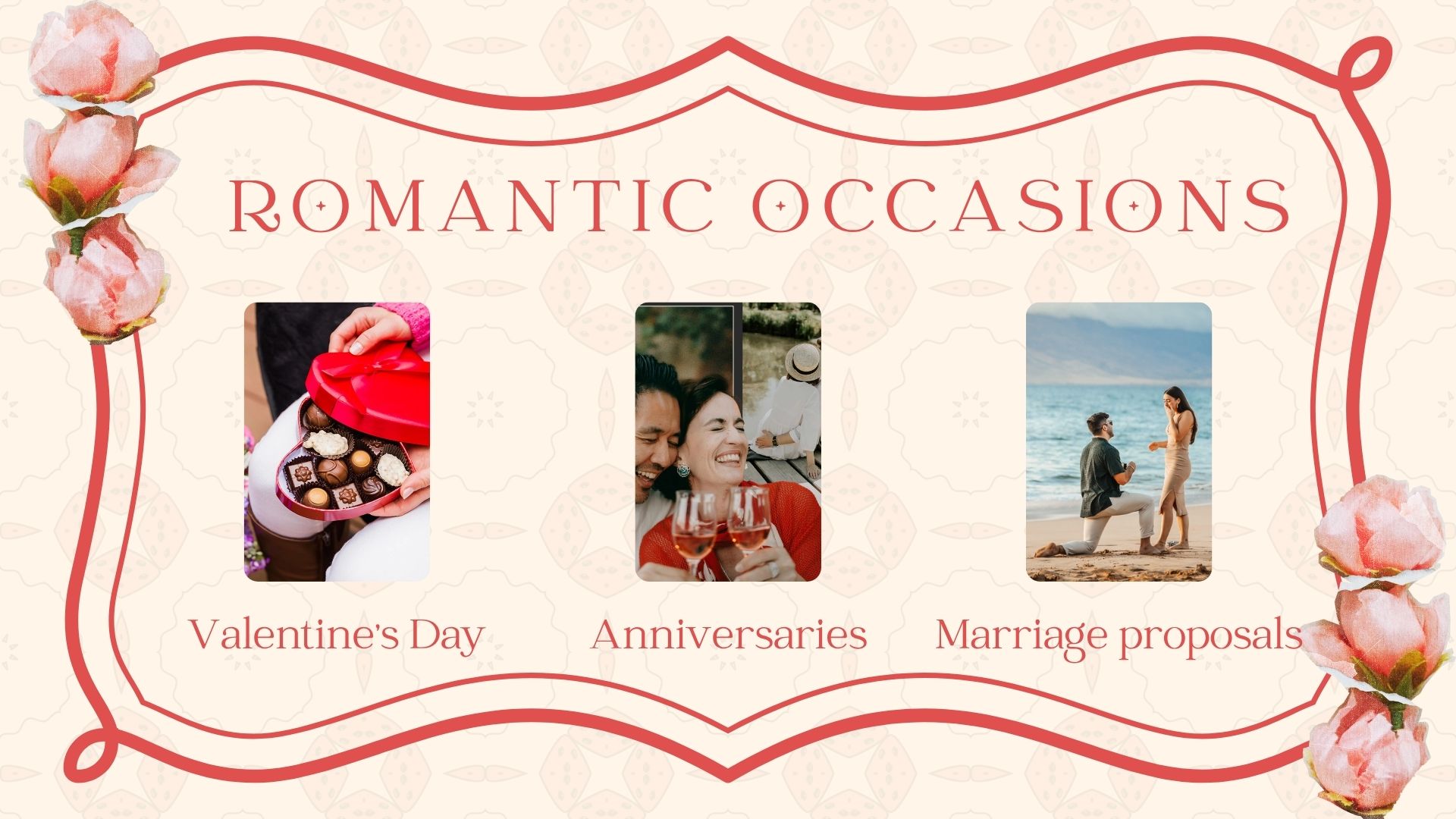
Valentine's Day
A dozen red roses remains the Valentine's Day standard for good reason. Twelve roses signal complete, devoted love-perfect for the most romantic day of the year. If you're in a newer relationship, this might feel too intense. A single red rose works beautifully for early romance, expressing pure affection without overwhelming anyone.
Want to stand out from the dozen-rose crowd? Consider 24 roses to show you're constantly thinking about your partner, or go bold with 50 roses for an unforgettable statement of unconditional love.
Red dominates Valentine's Day, but pink roses express admiration and joy, making them ideal if your relationship is sweet rather than intensely passionate.
Anniversaries
Match your gesture to your relationship's stage. For first anniversaries, 12 roses acknowledge your complete first year together. As years pass, some couples enjoy matching the rose count to their anniversary year-five roses for five years, ten for ten years.
This approach works until the numbers get impractical. Once you hit 20+ years, you might stick with classic dozens or opt for 25, 50, or 100 roses for milestone anniversaries like silver (25th) or golden (50th) celebrations.
Mixed colors add visual interest for anniversaries. Combine red for passion with pink for tenderness, or add white roses to symbolize the fresh starts you've made together.
Marriage proposals
Tradition calls for 12 roses when you're asking someone to marry you. The dozen represents a complete cycle and your desire to spend every month of every year together. This number strikes the right balance-romantic without being excessive, traditional without being boring.
If your partner loves grand gestures, 24 or 36 roses make the moment even more dramatic. Just make sure you can manage the bouquet while you're trying to get down on one knee.
Red roses are classic, but consider your partner's favorite color. If they love pink, white, or even yellow roses, choosing their preference shows you pay attention.
First dates
Keep it simple. A single rose or three roses both work perfectly for first dates. One rose says "I really like you" without applying pressure. Three roses literally translate to "I love you," but in early dating contexts, they simply show genuine interest.
Skip the dozen on a first date. It reads as too much, too soon, and might make your date uncomfortable. Save the bigger gestures for when you know each other better.
Color choice matters here too. Red feels very romantic, while pink or peach roses come across as friendly and interested without being intense.
Apologies and reconciliation
Two roses traditionally symbolize apology, representing two people coming back together. Five roses also express regret while showing appreciation for the relationship. For more serious situations requiring significant reconciliation, 15 roses specifically request forgiveness.
White or pale pink roses work better than red for apologies. They express sincerity and new beginnings rather than romantic passion. Pair your roses with a genuine conversation-flowers help, but they can't replace actually addressing whatever went wrong.
The gesture shows effort, but the number matters less than your sincerity. Even a single white rose with a heartfelt note can effectively convey remorse.
Non-romantic occasions
Birthdays
For friends and family, six to ten roses hit the sweet spot for birthday celebrations. Six roses show you care deeply about the friendship. Ten roses compliment someone by saying "you're perfect," which feels good on a birthday.
Some people match the number of roses to the person's age, which works great for kids and milestone birthdays. Five roses for a fifth birthday is adorable. Eighteen roses for an 18th birthday marks the transition to adulthood nicely.
Mix colors freely for birthdays. Yellow roses bring happiness and friendship. Orange adds enthusiasm. Pink expresses joy. A mixed bouquet feels celebratory and less romantically charged than solid red.
Congratulations
Celebrate achievements with five roses (admiration) or ten roses (perfection). These numbers acknowledge someone's success without romantic overtones.
Graduations, promotions, new jobs, and personal victories all deserve floral recognition. Bright colors work best here-yellow for happiness, orange for enthusiasm, or vibrant pink for joy. Save red roses for romantic situations unless you know the recipient well and they're their favorite.
Keep the arrangement upbeat and forward-looking. This isn't the time for subtle white roses or deep red passion.
Thank you gestures
Express gratitude with three to five roses. Three roses thank someone simply and elegantly. Five roses say "I admire what you did for me" with a bit more emphasis.
Pink roses perfectly capture appreciation and grace. Light pink feels gentle and grateful. Deeper pink adds warmth. Yellow roses work too, especially for thanking friends, since they symbolize friendship and joy.
Professional thank-yous need careful consideration. Roses can feel too personal in work contexts unless you're very close with the colleague. When in doubt, choose other flowers or a mixed arrangement where roses aren't the star.
Get well wishes
Brighten someone's recovery with eight to ten roses. Eight roses offer support, while ten roses provide encouragement. Choose cheerful colors that lift spirits-bright pink, yellow, orange, or mix several together.
Skip red roses for get well gifts unless you're romantically involved with the recipient. Also avoid white roses, which some associate with sympathy and funerals despite their broader meanings.
The goal here is bringing sunshine to someone's day. Vibrant, energetic arrangements work better than subtle or traditionally romantic ones.
Expressing sympathy
A single white rose remains the most traditional sympathy gesture. Its simplicity speaks to grief's profound weight. One perfect white bloom says "I'm thinking of you" without adding to the overwhelmed feeling loss brings.
For funeral arrangements, larger numbers are appropriate-dozens or more, often in all-white arrangements or mixed with pale pink roses. Family members might send 17 roses (the rose anniversary number) or match the deceased's age.
Pale colors dominate sympathy flowers. White expresses reverence and remembrance. Light pink offers grace and gentleness. Avoid bright, cheerful colors or deep red roses, which feel wrong for the somber occasion.
Regional and cultural traditions vary significantly for sympathy flowers. Some cultures prefer white flowers exclusively. Others avoid white, seeing it as unlucky. If you're unsure about someone's background, ask the funeral home or a family member for guidance.
Choosing the right color
Colors transform a rose's message as much as numbers do. Understanding basic color meanings helps you nail the complete gesture.
Red roses shout romantic love and passionate desire. They're the default for Valentine's Day and anniversaries for good reason. Deep red specifically represents enduring love. Bright red leans toward passion and desire. Use red roses only when romance is definitely part of your message.
Pink roses offer versatility across many situations. Light pink expresses grace, admiration, and joy-perfect for friends, family, and new romances. Medium pink shows appreciation and gratitude. Deep pink conveys deep appreciation and admiration. Pink works for birthdays, thank yous, congratulations, and gentle romantic gestures.
White roses symbolize purity, innocence, new beginnings, and remembrance. They're traditional for weddings (new beginnings), sympathy (remembrance), and apologizing (fresh starts). White roses feel elegant and respectful rather than passionate.
Yellow roses celebrate friendship and bring happiness. They were once associated with jealousy, but modern meanings focus on joy, warmth, and platonic affection. Yellow roses are ideal for friends, get well wishes, and celebrations where you want to avoid romantic implications.
Orange roses burst with enthusiasm, desire, and energy. They bridge friendship and romance-more passionate than yellow, less traditionally romantic than red. Orange roses work well for congratulations, new relationships, or when you want to express fascination rather than deep love.
Mixed colors let you layer meanings. Combine red and white for unity. Mix pink and yellow for joyful admiration. Blend multiple colors for birthdays and celebrations where you want visual variety. Just make sure the colors complement each other-some combinations clash visually even if the meanings work together.
Making your choice
Consider your relationship
How well you know someone should influence both the number and extravagance of your rose gift. Close relationships earn bigger gestures. Newer connections need restraint.
For romantic partners, you have more freedom to go big. A dozen roses won't seem strange coming from someone you've dated for months or years. But that same dozen might overwhelm someone you've been on three dates with.
Family members appreciate thoughtful numbers without romantic symbolism. Your mom might love a dozen roses for Mother's Day, but choosing pink or yellow instead of red keeps it appropriately maternal.
Friends need clear non-romantic signals. Stick with yellow, orange, or pink roses. Keep numbers modest-five to ten works well. Going over a dozen starts feeling like too much unless you're celebrating something major.
Professional relationships require the most caution. Roses carry romantic connotations even when you don't intend them. If you must give flowers professionally, consider a mixed arrangement where roses aren't prominent, or choose different flowers entirely.
Budget considerations
Quality matters more than quantity. Three stunning, fresh roses in peak condition beat a dozen wilting, cheap ones every time.
Shop seasonal for better prices and fresher flowers. Roses cost more around Valentine's Day and Mother's Day because demand spikes. If your occasion is flexible, buying flowers a week before or after major holidays saves money while still showing you care.
Local florists often offer better value than grocery store bouquets, despite seeming pricier upfront. They use fresher flowers, create nicer arrangements, and can advise you on making your budget work.
Don't feel pressure to buy more roses than you can afford. A single rose given with genuine feeling beats a dozen roses you resented paying for.
Presentation matters
Arrangement style affects how your roses are received. Long-stemmed roses in a classic bouquet feel formal and traditional. Shorter stems in a vase arrangement seem more casual and homey. Garden-style arrangements with roses mixed among other flowers feel relaxed and natural.
Match the style to the recipient. Someone who loves classic elegance wants traditional long stems. Someone with a more casual, eclectic style might prefer a loose, natural arrangement.
Add personal touches beyond just the roses. Include a handwritten note explaining your feelings. Choose a special vase. Add their favorite candy or a small gift. These extras show you put thought into the complete gesture.
Timing and delivery
Presenting roses in person creates a memorable moment. You see their immediate reaction and share the experience together. Hand-delivery works best for romantic gestures, apologies, and situations where your presence matters as much as the flowers.
Delivery services help when distance or timing prevents personal presentation. Surprise deliveries to someone's work or home add delight to an ordinary day. Just confirm someone will be home to receive fresh flowers-roses left on a hot porch quickly wilt.
Freshness matters greatly Roses should have firm stems, vibrant color, and just-opening buds rather than fully blown blooms. They should last at least a week with proper care. If roses look tired when you receive them, speak up-reputable florists will replace subpar flowers.
What not to do
Wrong colors for occasions send mixed messages. Red roses to a friend feel awkward unless you're sure they won't misread your intent. Bright, cheerful colors at a funeral show poor judgment. Match the color to the emotional tone of the situation.
Too many or too few roses for the relationship stage causes discomfort. A single rose from your spouse of 20 years might seem thoughtless unless it's part of a running tradition. Fifty roses on a second date seems desperate or trying too hard.
Ignoring cultural differences can turn your thoughtful gesture into an awkward moment. Some cultures view white flowers as funeral-only. Others assign different meanings to colors and numbers. If your recipient has a different cultural background than yours, do quick research or ask someone who knows.
Skipping the card wastes an opportunity. Roses are beautiful, but a few words explaining why you chose them or what the person means to you makes the gift more personal and memorable. Even a simple "Thinking of you" beats no message at all.
Poor timing undermines your gesture. Sending congratulations flowers a month after someone's promotion seems like an afterthought. Apologizing with flowers days after an argument without talking about the issue first makes the flowers feel like an avoidance tactic rather than genuine remorse.
Final thoughts
The "right" number of roses depends on your specific situation, relationship, and what you want to express. Traditional meanings provide helpful guidelines, but your sincerity and thoughtfulness matter more than following rules perfectly.
Start with the basics: single roses for simplicity, dozen roses for serious commitment, and mid-range numbers (5-10) for most other situations. Then adjust based on your budget, the recipient's preferences, and the occasion's significance.
When in doubt, choose quality over quantity and always add a personal note. The roses themselves will fade, but the thought and care you put into choosing them creates lasting memories.
Frequently Asked Questions
-
Can I give an even number of roses?
Yes, despite the tradition favoring odd numbers. In Western cultures, even numbers are perfectly acceptable. The "odd numbers only" rule is stronger in some Eastern European cultures. For most situations, choosing a meaningful number (like a dozen) matters more than whether it's even or odd.
-
What if I can't afford many roses?
A single perfect rose beats a bunch of mediocre ones. Quality, presentation, and your heartfelt message matter more than quantity. You can also mix roses with less expensive flowers to create a fuller bouquet while keeping costs down. Focus on making the gesture meaningful rather than impressive by size alone.
-
Do rose numbers mean the same thing everywhere?
No, cultural variations exist. Some cultures assign different meanings to specific numbers or colors. White flowers are mourning-only in some Asian cultures but perfectly appropriate for weddings in Western ones. Yellow roses once meant jealousy but now usually represent friendship. If you're gifting across cultures, research specific traditions or ask someone familiar with both backgrounds.
-
Should I match the number to their age for birthdays?
This works great for children and milestone birthdays (18, 21, 30, 50, etc.). For regular adult birthdays, it becomes impractical—37 roses for a 37th birthday is expensive and unwieldy. Stick with traditional meaningful numbers (5, 10, or 12) unless the age itself is significant.
-
How many roses are too many?
Context determines this. Fifty roses from a long-term partner celebrating a major anniversary is romantic. Fifty roses on a third date is overwhelming. Consider your relationship length, the occasion's importance, and practical factors like whether the recipient has a vase large enough. When in doubt, less is often more.
-
What if I want to give roses without romantic meaning?
Choose colors carefully—yellow, orange, or pink roses signal friendship rather than romance. Keep the number modest (5–10 rather than a dozen). Include a card that clearly explains the non-romantic context: “Thanks for being such a great friend” or “Congrats on the promotion!” Your message guides the interpretation as much as the flowers themselves.
-
Are long-stemmed roses always better?
Not necessarily. Long stems look formal and elegant, perfect for traditional romantic gestures. Shorter stems in arrangements feel more casual and homey. Some people actually prefer shorter, fuller arrangements over the classic long-stemmed look. Consider the recipient's style and the occasion's formality rather than assuming longer automatically means better.